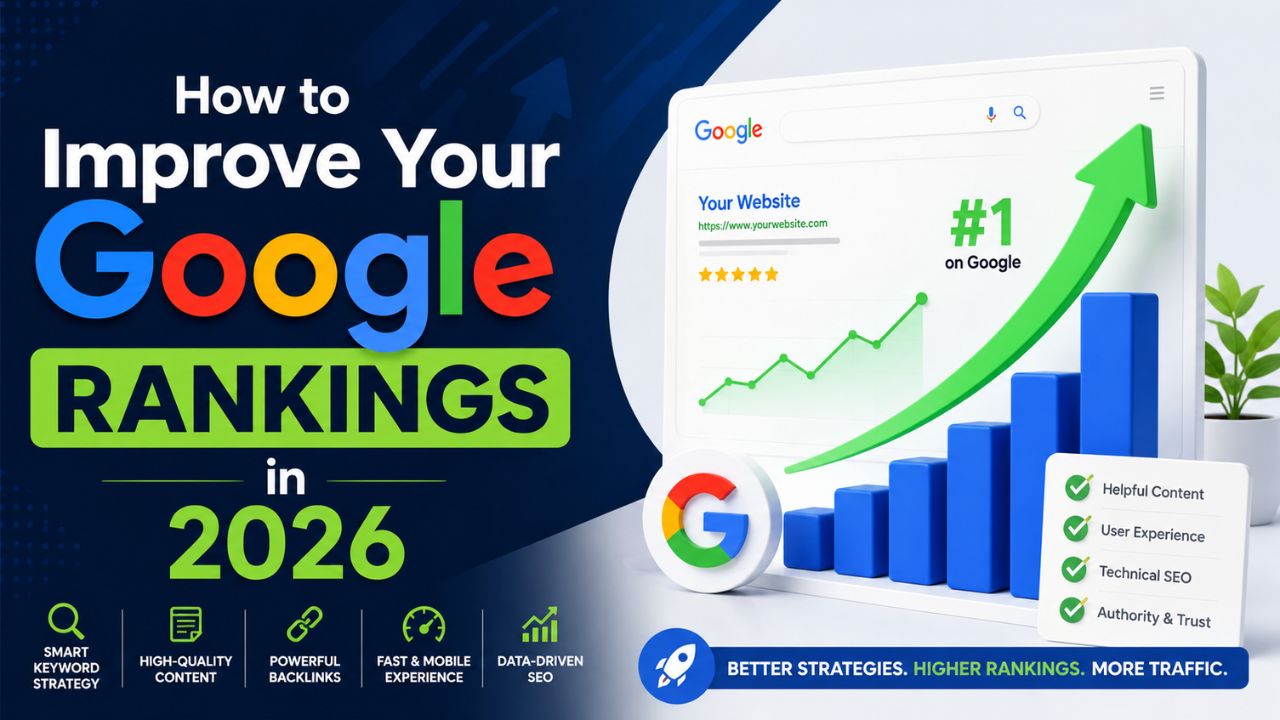
How to Improve Your Google Rankings in 2026 — Everything I’ve Learned the Hard Way
Updated May 2026 · 12-min read– How to Improve Your Google Ranking
I want to start with something a little embarrassing.
Back in 2021, I spent three full months writing what I genuinely believed was the best content in my niche. I mean I was proud of these articles. Long, detailed, well-structured. I hit publish and waited for the traffic to roll in.
Nothing happened.
A few weeks passed. Then a month. I’d check Google Search Console every morning like it owed me money. Still nothing. Meanwhile, a competitor — whose writing was honestly worse than mine — was sitting comfortably on page one.
I had no idea what I was doing wrong.
Fast forward to today, and I’ve helped websites go from zero to tens of thousands of monthly visitors. The lessons I learned weren’t from reading generic SEO guides (there are enough of those). They came from trial and error, watching what actually moved rankings versus what sounded good in theory.
This is that guide. Real stuff. No padding. No recycled advice .How to Improve Your Google Ranking
The First Thing Nobody Tells You: Google Doesn’t Owe You a Ranking
This sounds obvious, but most people treat SEO like a transaction. Write the content, add the keywords, get the traffic. It doesn’t work that way anymore — and honestly, it never really did for the long term.
Google’s entire business model depends on giving users the most useful, trustworthy answer to whatever they search. That’s it. Every algorithm update, every new ranking factor, every change they’ve made over the years points back to that one goal.
So when you’re trying to improve your rankings, the real question isn’t “how do I optimize for Google?” It’s “how do I become the best possible answer to what my audience is searching for?” Once you genuinely internalize that, SEO starts making a lot more sense.
Now let’s get practical. How to Improve Your Google Ranking-
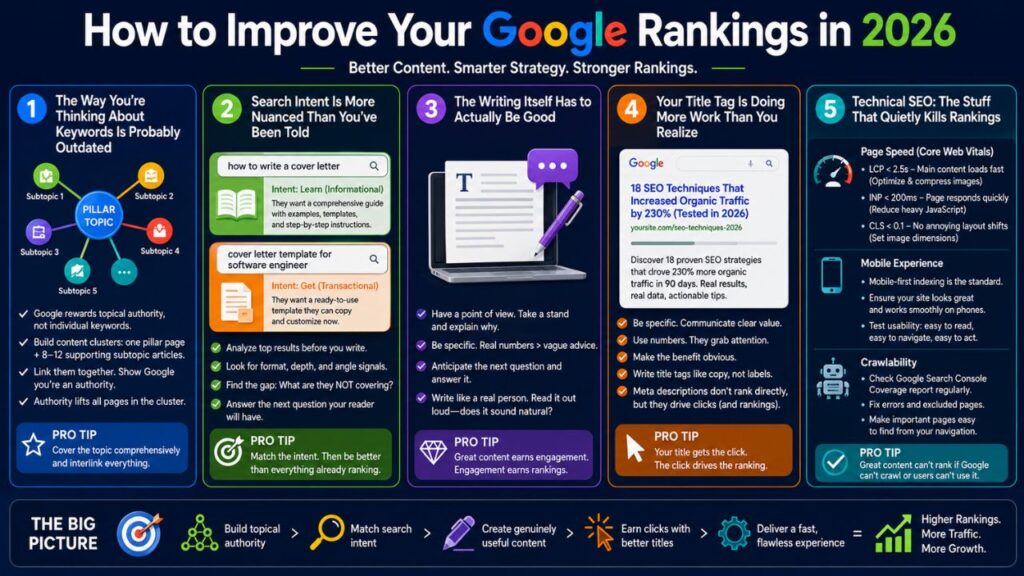
1. The Way You’re Thinking About Keywords Is Probably Outdated
How to Improve Your Google Ranking- Most people still approach keyword research the same way they did in 2015. Find a keyword, check the search volume, write a post about it, repeat. That approach still works — sort of — but it misses the bigger picture by a mile.
How to Improve Your Google Ranking- In 2026, Google is thinking in topics, not keywords. There’s actually a name for what Google rewards now: topical authority. And it’s changed everything about how I approach content strategy.
Here’s what it means in plain terms.
If you run a skincare blog and you’ve only written about moisturizers, Google isn’t going to see you as an authority on skincare. But if you’ve covered moisturizers, cleansers, SPF, skincare for different skin types, ingredient deep-dives, seasonal skincare routines, and product comparisons — now you’re starting to look like someone who really knows this subject.
The way to build this is through content clusters. You create one big, comprehensive “pillar” article on a broad topic. Then you write 8–12 more specific articles that each go deep on one subtopic. All of them link to each other. Google sees that web of content and starts treating your site as a subject matter authority.
I switched to this model about two years ago. The difference was noticeable within about three months. Pages that had been stuck on page two started climbing without me touching them — because the authority from the cluster was lifting everything.
2. Search Intent Is More Nuanced Than You’ve Been Told
You’ve probably heard about search intent — the idea that different searches have different purposes (informational, commercial, navigational, transactional). That’s true, but here’s the part most people gloss over:
Intent isn’t just about why someone is searching. It’s about what format and depth they expect to find.
Let me give you an example that genuinely changed how I write.
The keyword “how to write a cover letter” sounds straightforward — someone wants to learn how to write a cover letter. But when you look at the top results on Google, almost none of them are short “here are 3 tips” articles. They’re long, comprehensive guides with examples, templates, and step-by-step walkthroughs.
Now look at “cover letter template for software engineer.” Different keyword, completely different intent. This person doesn’t want a lesson — they want something they can copy and customize right now. The format Google rewards there is totally different.
Before you write a single word of any article, spend five minutes looking at the actual top results for your target keyword. Not to copy them — to understand what the intent signals tell you about structure, depth, and angle. Then find the gap. What are all those top results NOT covering? What question does a reader still have after reading them? Go answer that.
That’s your edge.
3. The Writing Itself Has to Actually Be Good
I know that sounds like something your English teacher would say. But hear me out, because this is genuinely one of the biggest separators between sites that grow and sites that stall.
There is so much content on the internet right now that was written purely to rank. It checks all the boxes. It has the keyword in the title, the right headers, the proper word count. And it’s completely, utterly forgettable. Reading it feels like eating plain rice. It keeps you alive but you’re not exactly excited about it.
Google’s gotten good at detecting engagement signals — how long people stay on a page, whether they go back to search results immediately after landing, whether they click through to other pages on your site. If your content isn’t genuinely holding people’s attention, those signals will tank your rankings over time.
So what makes content actually good in a way that helps rankings?
It has a point of view. Not just “here are some things to consider about X,” but “here’s what I actually think about X, and here’s why.” People connect with opinions. They share things they agree or disagree with. Generic middle-of-the-road content gets forgotten.
It’s specific. “We changed our publishing schedule from 5 posts per week to 2, and organic traffic went up 40% in 90 days” is a hundred times more compelling than “publishing less content but at higher quality can improve your results.” Specificity signals real experience.
It anticipates the next question. Good content thinks about what the reader is going to wonder about after they finish each section, and addresses it before they have to go look somewhere else.
And honestly — it sounds like a real person wrote it. Read your draft out loud. If you’d never actually say those words in a real conversation, rewrite them.
4. Your Title Tag Is Doing More Work Than You Realize
Think about how you use Google. You see a list of results, you scan the titles, and something either catches your eye or it doesn’t. You make that decision in about half a second.
Your title tag is your one shot at that half second.
Most title tags I see are either too generic (“SEO Tips for 2026”) or too clever in a way that doesn’t communicate value (“The Secret Google Doesn’t Want You to Know”). Neither works particularly well.
The title tags that consistently get clicked have a few things in common. They’re specific — they tell you exactly what you’re going to get. They often include a number. They make the value obvious without being misleading. “18 SEO Techniques That Increased Organic Traffic by 230% (Tested in 2026)” beats “SEO Tips for 2026” in every A/B test I’ve ever seen.
One thing that really changed my click-through rates: I started treating title tag writing like copywriting, not like article titling. There’s a difference. The goal isn’t to describe the article — it’s to compel someone to click.
Your meta description is the second part of that equation. It doesn’t directly affect rankings, but it absolutely affects clicks, which indirectly affects rankings. Two sentences. Lead with the most valuable thing the reader will get, end with something that creates a reason to click now. Treat it like a tiny ad.
5. Technical SEO: The Stuff That Quietly Kills Rankings
Alright, I’ll be upfront — this is the part most people’s eyes glaze over. “Technical SEO” sounds intimidating. But I promise you the core stuff isn’t complicated, and ignoring it is one of the most common reasons good content doesn’t rank the way it should.
Page speed. How to Improve Your Google Ranking ,Google officially uses Core Web Vitals as a ranking factor. There are three that matter most right now.
LCP (Largest Contentful Paint) measures how long it takes for the main content of your page to appear. Under 2.5 seconds is where you want to be. The biggest culprit is almost always images — they’re too large, not compressed, not in the right format. Switch to WebP and compress everything. It’s genuinely one of the highest-ROI technical fixes you can make.
INP (Interaction to Next Paint) replaced FID as a core signal in 2024. It measures how quickly your page responds when someone clicks or taps something. Under 200 milliseconds is the target. Heavy JavaScript is usually the culprit.
CLS (Cumulative Layout Shift) is about whether your page jumps around visually as it loads — like when an ad pops in and pushes all the content down. That’s incredibly annoying for users, and Google penalizes it. Always define image dimensions in your HTML or CSS.
Run your site through Google’s PageSpeed Insights and Google Search Console’s Core Web Vitals report. Fix the issues in order of impact.
Mobile experience. Google indexes the mobile version of your site first — that’s been the case since 2019 but a lot of sites still haven’t taken it seriously. Check how your site actually looks and performs on a phone. Not just whether it technically renders, but whether it’s actually easy to use.
Crawlability. If Google can’t find and read your pages, nothing else matters. Check your Google Search Console coverage report regularly. Fix any pages Google has excluded or can’t crawl. Make sure your most important pages are accessible from your navigation — buried content doesn’t get the same treatment as content Google can easily find.
How to Improve Your Google Ranking
6. Internal Links Are the Most Underused Tool in SEO
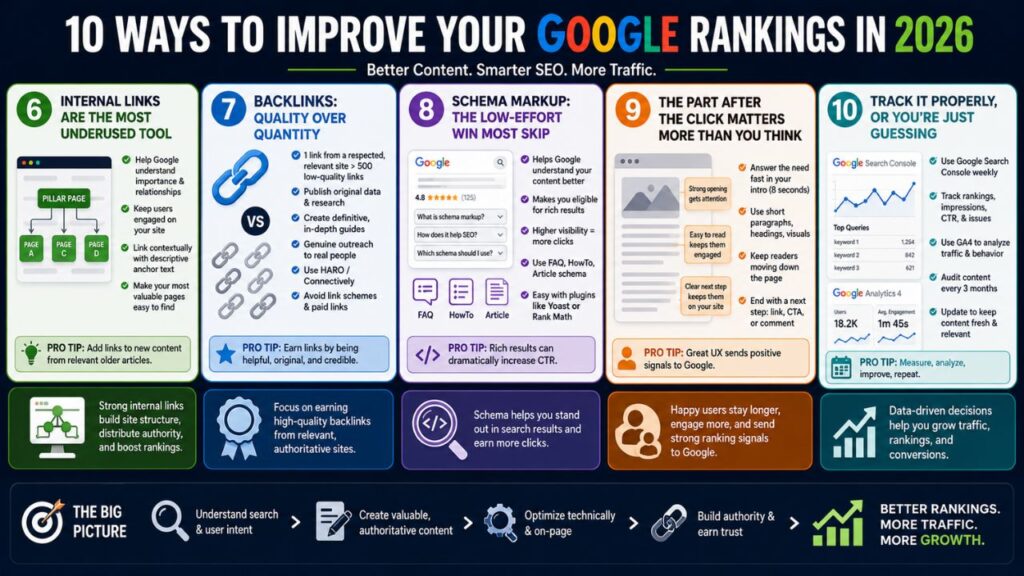
I saved this one for here because I think it surprises people. When most folks think about link building, they think about getting links from other websites. That’s important — but the links within your OWN site are something you have 100% control over right now, today, and most sites use them terribly.
Internal links do a few things. They help Google understand which pages on your site are most important (pages that get linked to frequently carry more weight). They help Google understand how your content is related to each other. And they keep users moving through your site rather than bouncing back to Google.
Here’s a practical habit I’ve built: every time I publish a new article, I spend 20 minutes going back through related older articles and adding contextual links to the new one. That new article benefits immediately from the existing authority of those older pages.
Use descriptive anchor text — not “click here” or “this article” but something that tells both the user and Google exactly what the linked page covers. “On-page SEO checklist” or “how to build backlinks in 2026” — descriptive and keyword-relevant.
Also, make sure your most valuable pages (your service pages, your pillar content, your highest-converting posts) are linked from multiple places across your site. If an important page is only accessible from one place, it’s essentially invisible.
7. Backlinks: Quality Over Quantity, Without Exception
I know you’ve heard this before. But I want to illustrate it because I still see people chasing link counts instead of link quality.
One link from a genuinely respected, relevant publication in your niche is worth more than 500 links from random directories, comment sections, or sites that exist purely to sell links. Not a little more. A LOT more.
Google understands context. A link to your accounting blog from a personal finance news site with real editorial standards? Valuable. A link from a generic “business directory” that accepts any submission? Basically worthless, and potentially harmful in large quantities.
The strategies that actually work for earning quality links in 2026:
Publish original data. Surveys, original research, case studies with real numbers — other writers cite them constantly. I published a small survey of 200 freelancers about their income once. That single piece has earned more than 40 backlinks over two years without any outreach.
Write the definitive guide. For one specific topic in your niche, build the most comprehensive resource that exists. Then it becomes what people link to when they reference that topic.
Genuine outreach. Not spray-and-pray email blasts. Real, personalized emails to people who write about your topic, where you have something genuinely useful to offer. Offer to contribute original data, a guest article on a specific angle they haven’t covered, or a quote from your expertise.
HARO (now Connectively). Journalists need expert sources constantly. Being a reliable, fast-responding expert source earns you mentions and links in publications you’d never get into through cold outreach.
What not to do: buy links, participate in link exchanges (“I’ll link to you if you link to me”), or use private blog networks. Google’s link spam detection has gotten significantly better in recent years. The short-term gain isn’t worth the risk.
8. Schema Markup: The Low-Effort Win Most Sites Skip
I’ll keep this one brief because it’s simpler than it sounds.
Schema markup is code that tells Google more precisely what your content is about. Adding it doesn’t directly boost your rankings — but it makes your content eligible for rich results: those enhanced search listings that show star ratings, FAQ dropdowns, step-by-step instructions, or recipe information directly in the search results.
Rich results are bigger, more eye-catching, and earn significantly more clicks than plain blue links — even when they’re ranking lower. I’ve seen pages move from a 4% click-through rate to over 12% purely by adding FAQ schema that showed their questions expanding directly in search results.
If you’re on WordPress, Yoast SEO or Rank Math add the most common schema types without any coding. The ones worth prioritizing: FAQ schema (shows expandable Q&As in search), How To schema (shows numbered steps), and Article schema for your blog posts.
9. The Part After the Click Matters More Than People Think
How to Improve Your Google Ranking- Here’s something that took me a while to really understand.
Google doesn’t just measure whether someone clicks your result. It watches what happens after. Did they stay and read? Did they click through to other pages? Or did they immediately hit the back button and click a different result?
That “pogo-sticking” behavior — clicking your result and immediately bouncing back — is a strong negative signal. It tells Google your page didn’t satisfy the user’s need, even if you’re technically ranking for the right keyword.
So how do you keep people on your page?
Your opening paragraph is everything. You have about 8 seconds to prove that the person clicked the right result. Don’t waste that time on vague introductions or background context nobody asked for. Get to the value immediately.
Break up the page visually. Walls of text make people skim to the bottom, realize they have to actually read it all, and leave. Short paragraphs, subheadings every few hundred words, images where relevant, pull quotes, bullet points where they genuinely help — all of this keeps readers moving through the content.
End with somewhere to go. At the bottom of every article, give readers a natural next step. Link to a related post. Ask a question that invites a comment. Offer something to download. Anything that keeps them engaged with your site rather than sending them back to Google.
10. Track It Properly, or You’re Just Guessing
Last one, and it’s important.
I’ve worked with businesses who’ve been “doing SEO” for years but couldn’t tell me which pages were bringing in traffic, which keywords they were ranking for, or whether any of it was converting to leads or sales. They were flying completely blind.
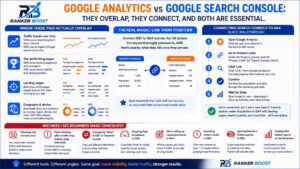
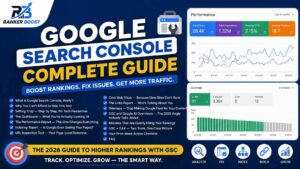
You need Google Search Console. It’s free, it’s from Google, and it shows you exactly which search queries are bringing impressions and clicks to your site, which pages are performing, and what technical issues need fixing. Check it at least once a week.
You need Google Analytics 4. Specifically, look at which organic landing pages have the best engagement (time on page, pages per session) and which have terrible bounce rates. High bounce rate on an important page means something’s wrong — either the intent match is off, the page is slow, or the content isn’t delivering what it promised.
Every three months, do a content audit. Go through your top 20 articles and ask: is this still accurate? Are the statistics outdated? Has the search landscape changed for this topic? Updating and improving existing content is often faster and more effective than publishing something new — and Google treats freshness as a positive signal.
Set it in your calendar. Three months goes fast.
How to Improve Your Google Ranking
Where to Start If You’re Feeling Overwhelmed
How to Improve Your Google Ranking- If you’ve read this far and you’re wondering where to even begin — start with this.
Open Google Search Console. Look at your “Performance” report. Find pages that are getting over 100 impressions but have a click-through rate under 5%. Those pages are being seen but not clicked. Rewrite their title tags to be more compelling. You can see real improvements in click-through within days, and higher click-through often leads to improved rankings.
That’s your quick win. Do that today.
Then, over the next month, pick one topic cluster to build — one pillar article and five or six supporting posts. Do it properly. Cover the topic more comprehensively than anyone else has. That’s your foundation.
Everything else in this guide can be layered in over time. SEO isn’t something you finish — it’s something you keep getting better at. But if you’re genuinely trying to help your audience and putting in the work to do this right, you will see results. Maybe not tomorrow, but you will see them.
That’s not a motivational line. That’s just how it works. How to Improve Your Google Ranking.
How to Improve Google Ranking Fast: Answers to the Questions Everyone Is Searching For
People searching for ways to improve their Google ranking are usually asking the same cluster of questions — they just phrase them differently. Some want to know how to rank faster. Others are asking why their traffic suddenly dropped, whether they really need backlinks, or if free SEO tools can actually compete with paid ones. All of these questions orbit the same core problem: how do I get Google to notice my website and send it real, consistent traffic?
The fastest legitimate way to move up in rankings is to close the gap between what your page currently offers and what the top-ranking pages are doing better. That usually means going deeper on the topic, improving your page speed, fixing broken internal links, and earning at least a few backlinks from relevant websites Google already trusts.
For sites that want the first page without paying for ads it is possible. Free options like Google Search Console and PageSpeed Insights cover most of what you need. Ubersuggest is another one that stays free for basics. The real cost is not money though.
If your rankings dropped recently there are a few things that might be causing it. A Google algorithm update could be one. Or maybe some backlinks got lost. Technical issues happen too like slow loading pages or content not getting indexed properly.
I think the first thing to do is check Search Console. It can point out the problems pretty directly. This stuff can be tricky sometimes.
For a complete breakdown of every strategy covered here, the RankerBoost guide on how to improve your Google ranking is worth bookmarking.
Quick-Reference FAQ
For brand-new sites, realistic expectations are 4–9 months before meaningful organic traffic. For established sites with some existing authority, improvements from changes can show up in 6–12 weeks. Variables include keyword competition, content quality, and how actively you’re building authority.
Google’s stance is that AI content isn’t inherently penalized — low-quality, unhelpful content is. The problem is most AI content tends to be generic and lacks real experience or original insight, which are things Google is explicitly prioritizing through E-E-A-T. Write from real experience. Use AI as a tool if you want, but don’t let it replace genuine expertise.
Yes — but the bar is higher. Thin, generic blog posts aren’t going to rank anymore. But comprehensive, genuinely useful content on topics you actually know still drives significant organic traffic. The sites winning with blogging right now are the ones treating it as a subject matter expertise platform, not a content mill.
Writing like you talk to a friend feels more real I think. It is easy to slip into stories that actually happened instead of just filling space with the usual stuff.
Some days I keep things short on purpose because the ideas land better that way. Adding little details that only I would notice seems to help too. Google picks up on that kind of writing and gives it a push in the rankings.
Pages that load slow are worth fixing. Keywords work when they show up naturally and not forced. I try to change things now and then so nothing sits stale.
Copied content just does not carry the same weight. Real stuff gets noticed. People end up trusting what they read. That trust might lead to more visibility later on. It is hard to say exactly how it all lines up though.
Honestly, if you want a realistic answer — you’ll usually start seeing some movement in 3-6 months, and for competitive keywords it can take anywhere from 6-12 months. Newer websites tend to take longer because Google doesn’t hand out trust right away (that “sandbox” phase everyone talks about). But if your domain is already established with some authority behind it, results can show up in weeks. One thing I always tell people — consistency beats speed. Sites that publish regularly and keep going back to improve old content end up ranking faster than the ones constantly chasing shortcuts.
Start with technical fixes — page speed, mobile-friendliness, broken links, proper indexing. This gives you the quickest wins. After that, focus on optimizing your existing content instead of jumping straight to new posts — update old articles, add in keywords you missed, tighten up your title tags. Why does this work faster? Because Google already has some trust built up on those older pages, so improvements show up sooner compared to brand new content starting from zero.
No, not really. Backlinks matter, no doubt about that, but Google puts just as much weight on content quality, how well you match search intent, page experience (Core Web Vitals), E-E-A-T signals, and user engagement. I’ve seen this play out firsthand — a page with fewer backlinks can easily outrank one with way more backlinks, simply because its content and on-page SEO are stronger.
Absolutely. First thing to get clear on — organic ranking and Google Ads are two completely separate things. Ads only affect paid placements; they don’t touch your organic rankings at all. To improve organically for free, focus on keyword research, solid on-page SEO, quality content, internal linking, and earning natural backlinks over time. Yes, it takes longer than running ads, but the results tend to stick around much longer too.
There could be a few reasons behind it — maybe a Google core algorithm update rolled out, maybe you lost some backlinks, maybe there’s a technical issue (broken pages, slow loading, deindexing), maybe there’s duplicate or thin content on the page, or a competitor simply outdid you with better content. The first thing I’d always check is Google Search Console — the Performance and Coverage reports usually tell you exactly what changed.
Want me to package this into an FAQ schema section (JSON-LD) so you can drop it straight into WordPress?
How Google AI Overview Affect SEO :- Read More